Why Behavior Change Programs Don't Deliver Sustained Change
%20(1).webp)
Most healthcare engagement strategies, and the tools used to execute them, focus on changing what people do: tracking steps, sending reminders, and offering rewards. While these tactics can spark short-term improvement, they rarely sustain it*.
Because lasting change doesn’t come from external nudges. It comes from internal beliefs.
At Rosemark, we use Belief Intelligence, the motivational layer that reveals why people act the way they do, to help payers and providers design experiences that truly connect.
By decoding belief-based motivation, we help healthcare organizations:
- Predict who is ready to engage (and who isn’t)
- Build communications that create trust and follow-through
- Simulate member reactions to programs and platforms before going live
- Deliver measurable gains in engagement, satisfaction, and cost efficiency
When you understand what people truly believe, you can see what drives them, their motivations, their fears, and their hopes. Only then can you design experiences that meet them where they are and move them toward better choices that stick.
Try Rosemark Rapport
Sign up for free early access to see how you can harness the power of personalization to engage your population.
Human impact, measurable results
View all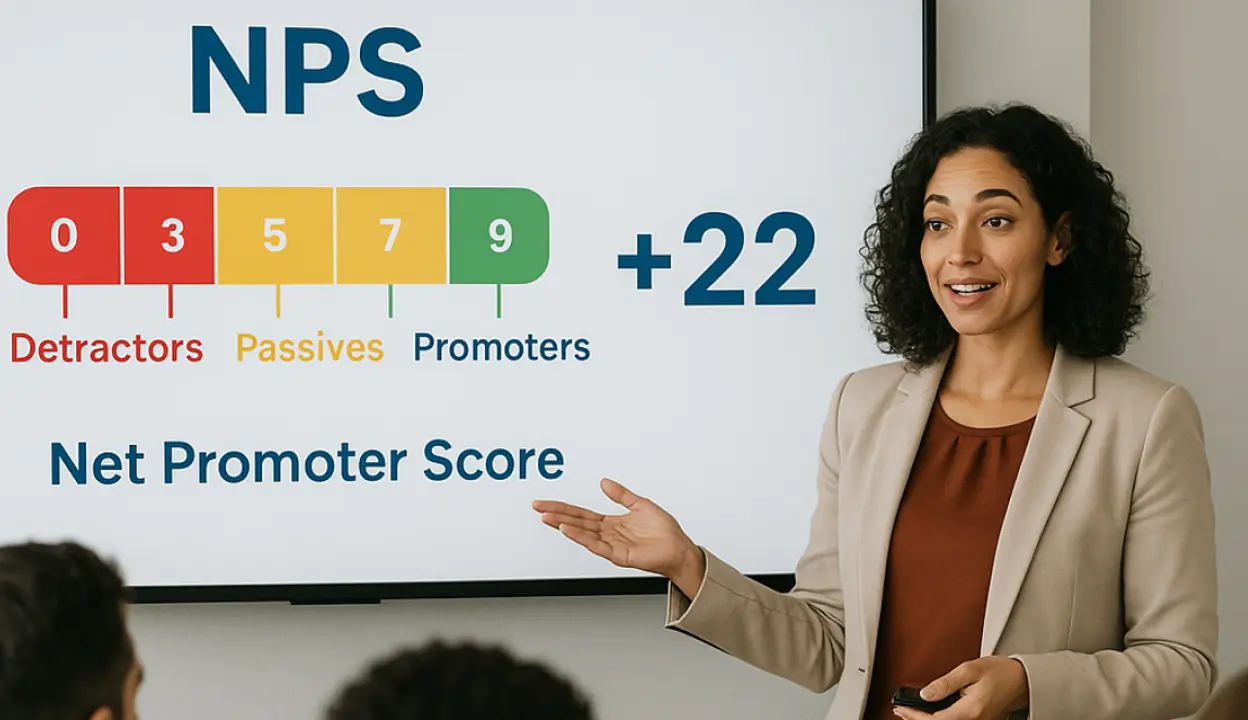
Companies Are Misusing Net Promoter Scores: Here’s How to Fix That
.webp)
Built for Growth: How to Understand Your Builder Personality and Use It To Shape Your Business
Let’s Talk
Reach out to speak with a member of our Sales team and see how you can start building more relevant and engaging experiences for your member population.